

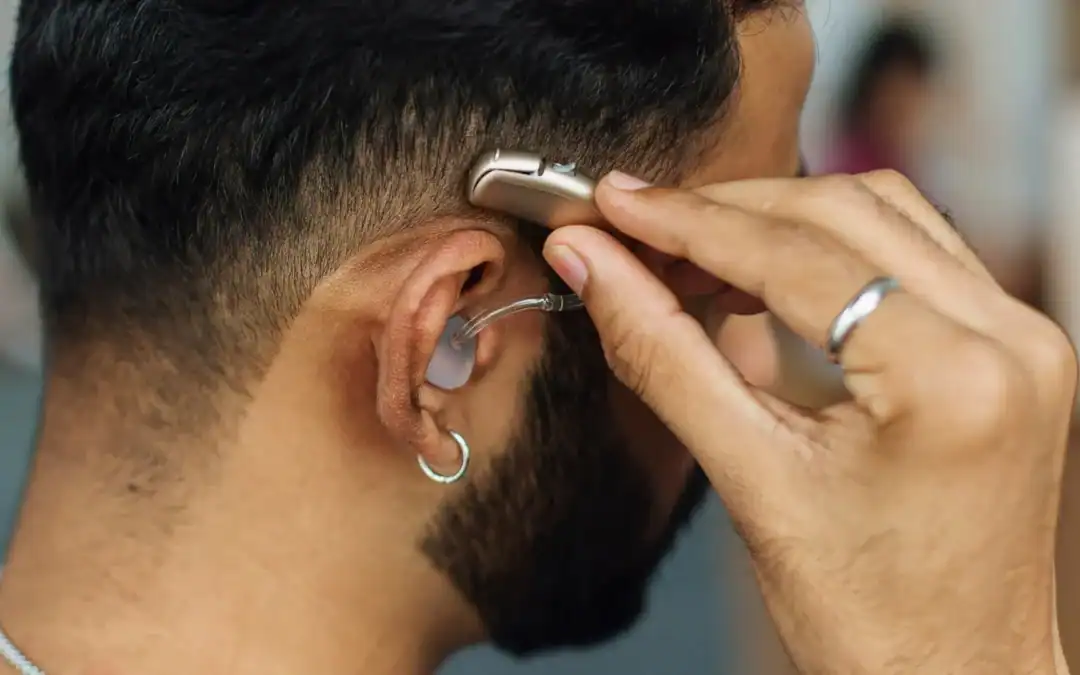
Getting hearing aids is an essential milestone in caring for your hearing health. For many people, the decision brings better communication, stronger relationships, and a higher quality of life. Still, adapting to hearing aids can feel complicated at first. Some individuals worry about how they sound, how they look, or how others will react. These feelings are normal, and confidence often grows over time. Understanding the adjustment process, setting realistic expectations, and gaining proper support can make rebuilding confidence smoother and more rewarding.
The Adjustment Phase
Hearing loss usually develops slowly, which means the brain has time to get used to reduced sound input. When hearing aids are introduced, many sounds return at once. Everyday noises like footsteps, typing, rustling paper, or air conditioning may suddenly feel loud or distracting. This can surprise people who expected only speech to sound clearer. It takes time for the brain to sort through these sounds again.
During this phase, some individuals feel discouraged and question their decision. Others worry they are misusing the devices. Both reactions are common. Hearing care professionals often encourage new wearers to start with short periods of use and gradually increase their time as comfort improves. With patience and consistent use, many people begin to enjoy clearer speech, richer environments, and more natural listening experiences.
Understanding Emotional Challenges
Confidence after getting hearing aids is not just about hearing better. It is also tied to emotions and self-image. Some people feel nervous about being seen with hearing aids. Others fear being judged or treated differently at work or in social groups. Although hearing aids are now smaller and more discreet than ever, these concerns can linger until positive experiences replace them. Acknowledging these feelings is essential. They show that hearing is more than a sense. It is part of identity and connection.
Building Communication Skills
Modern hearing aids offer advanced technology, but they work best when combined with strong communication habits. Wearers can rebuild confidence by practicing strategies like facing speakers, asking for quieter environments during important conversations, and using captions for media when needed. These tools reduce listening fatigue and support clearer understanding.
Family and friends play a role as well. Loved ones can help by speaking clearly, reducing background noise, and being patient during the adjustment process. These small changes make communication successful, building confidence in both the wearer and those around them.
Celebrating Small Wins
Confidence grows through experience. New wearers often notice improvements in stages. A few examples include enjoying group conversations again, hearing a grandchild clearly, or feeling comfortable at work meetings. Celebrating these wins helps shift focus from fear to progress.
Two helpful practices during this period are:
- Keeping a simple journal of successes, challenges, and questions for the hearing care provider
- Scheduling follow-up appointments to fine-tune settings and receive guidance
These steps help wearers feel in control of the process rather than overwhelmed by it.
Social Confidence and Support Networks
Social confidence can take time to rebuild after hearing loss. Before getting hearing aids, many individuals withdraw from social life because listening is exhausting or embarrassing. After starting treatment, returning to social spaces can feel both exciting and intimidating. Some people find encouragement through group programs, online communities, or in-person support groups for people with hearing loss. Knowing that others have faced similar challenges can reduce feelings of isolation.
Confidence in Professional Settings
Workplace confidence often increases with improved hearing, but it may require new communication strategies. Wearers may benefit from learning to request meeting notes, use communication tools, or position themselves well in rooms to hear speakers. Many workplaces are becoming more aware of hearing accessibility and may offer accommodations.
Long-Term Positive Outlook
As weeks and months pass, most wearers become more comfortable with their devices. They recognize that hearing aids are tools that support independence, connection, and well-being. Technology continues to advance, so many wearers also enjoy features such as Bluetooth streaming, noise cancellation, and rechargeable batteries. These features make hearing aids feel modern and helpful rather than burdensome.
Conclusion
Rebuilding confidence after getting hearing aids is a process that involves emotional, social, and practical adjustments. The journey includes learning to manage new sounds, communicating more effectively, celebrating progress, and leaning on supportive people and professionals. With patience and practice, hearing aids can open doors to more transparent communication and a more engaged life. Confidence returns not all at once, but through many joyous moments that remind wearers they made a strong and empowering choice for their health.