
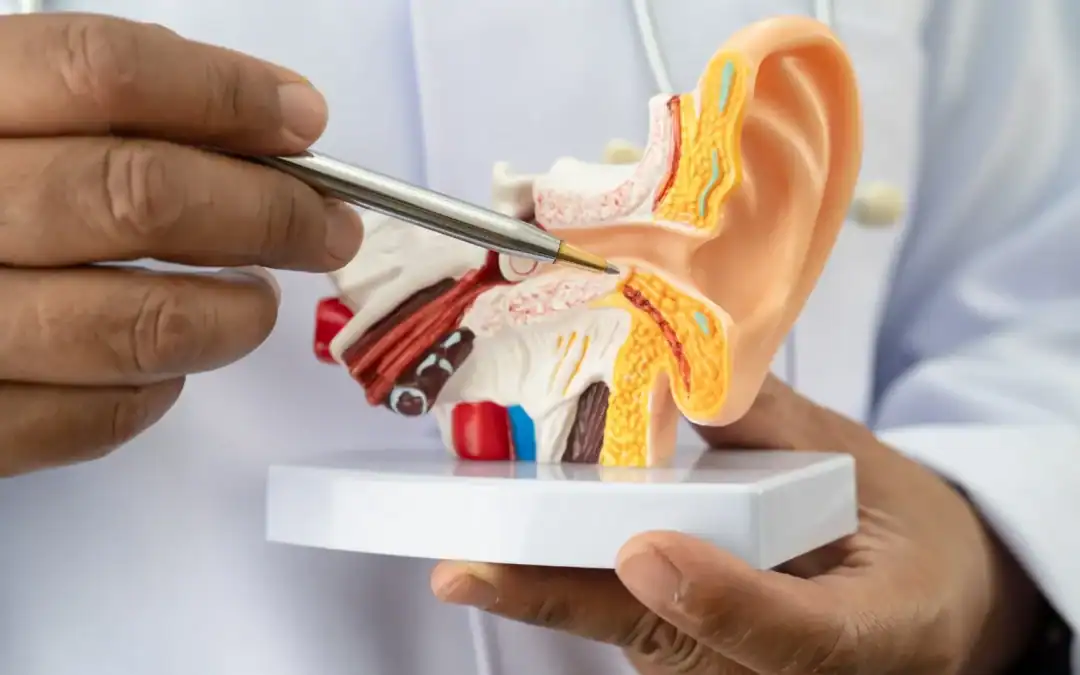
Ear infections are often thought of as a childhood condition, but adults can experience them as well. While many ear infections heal with proper care, repeated or untreated infections can sometimes lead to lasting hearing problems. Because the ear contains delicate structures that help detect sound, inflammation and infection may damage these sensitive parts over time.
Understanding how ear infections affect hearing can help adults recognize symptoms early and seek medical attention when necessary. Early treatment plays an important role in preventing long-term complications.
How Ear Infections Develop
The ear has three main sections: the outer ear, the middle ear, and the inner ear. Most infections occur in the middle ear, which is the air-filled space behind the eardrum.
When bacteria or viruses enter the ear, fluid may build up in the middle ear. This fluid can create pressure and inflammation. As pressure increases, it interferes with how sound travels through the ear.
Common symptoms of an ear infection may include:
- Ear pain or pressure
- A feeling of fullness in the ear
- Temporary hearing difficulty
- Fluid drainage from the ear
- Dizziness or balance problems
While some infections resolve with treatment, repeated infections may cause lasting damage.
How Infections Affect Hearing
Hearing occurs when sound waves enter the ear and cause vibrations. These vibrations move through the middle ear and reach the inner ear, where they are converted into signals for the brain.
When infection and fluid buildup occur, sound cannot travel as effectively. This can cause temporary hearing loss. If infections happen frequently or remain untreated, the risk of permanent damage increases.
Possible long-term effects include:
- Scarring of the eardrum
- Damage to the small bones in the middle ear
- Persistent fluid buildup
- Reduced sound transmission
Over time, these changes may make it more difficult to hear speech clearly.
Complications of Untreated Ear Infections
Ignoring ear infection symptoms may increase the chance of complications. In some cases, infection may spread deeper into the ear.
The inner ear contains structures responsible for hearing and balance. When this area is affected, symptoms may worsen.
Potential complications may include:
- Permanent hearing loss
- Chronic ear infections
- Ongoing ear discomfort
- Balance issues
Because these complications can affect daily life, it is important to seek medical care when symptoms appear.
Signs That Hearing May Be Changing
Sometimes, hearing problems continue even after the infection seems to improve. This may happen if fluid remains in the ear or if the infection has caused damage.
Watch for these signs after an ear infection:
- Sounds seem muffled or unclear
- Conversations are harder to follow
- Ringing or buzzing in the ear
- Pressure that does not go away
If these symptoms continue, evaluation by a specialist may be helpful.
When to Seek Professional Care
Ear infections that occur frequently or do not improve with treatment should be evaluated by a medical professional. Ear, nose, and throat (ENT) specialists are trained to diagnose and treat conditions affecting hearing and ear health.
The team at Ear Nose & Throat Consultants, LLC provides evaluation and treatment for ear infections and other ENT conditions. Their services include medical examinations, hearing evaluations, and treatment options designed to protect hearing health.
Specialists may recommend treatment, monitoring, or additional testing depending on the cause of the infection.
Protecting Your Hearing Health
Although ear infections can sometimes occur unexpectedly, several habits may help reduce risk and protect ear health.
Helpful practices include:
- Treat ear pain or infection symptoms promptly
- Avoid inserting objects into the ear canal
- Maintain good ear hygiene
- Seek medical care for recurring infections
Professional evaluation is also important when symptoms continue.
If hearing loss or persistent symptoms occur, an ENT professional can help determine the cause and recommend treatment.
Supporting Long-Term Hearing Health
Ear infections in adults should never be ignored. While many infections heal without lasting problems, repeated or untreated infections can sometimes lead to permanent hearing damage.
Recognizing symptoms early and seeking medical attention when needed helps protect the delicate structures of the ear. With proper care, most people can recover from infections while preserving healthy hearing.
Maintaining ear health, monitoring symptoms, and consulting ENT specialists when concerns arise can make a significant difference in preventing long-term hearing complications.
555
555
@@KWg6R